

F-series History
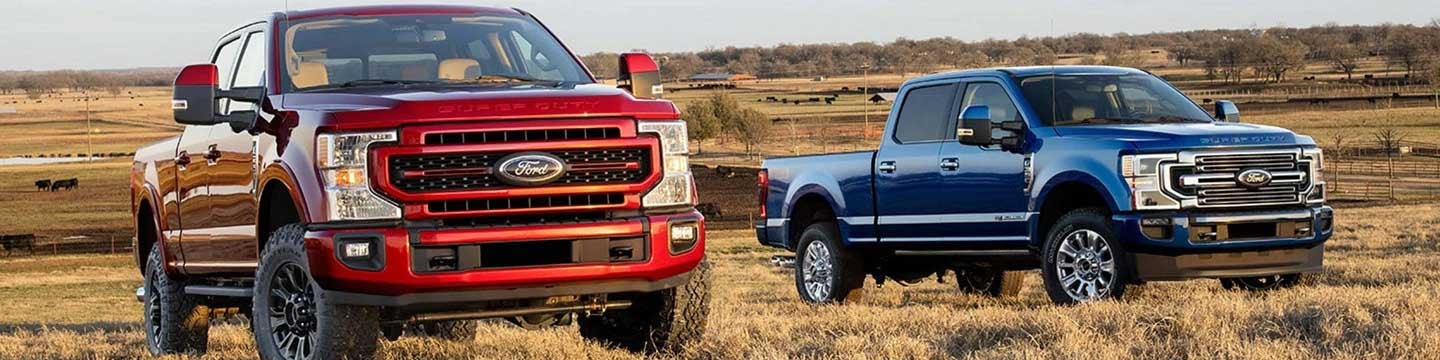
History of the Ford F-Series
On the heels of WWII restoration, Ford developed the F-Series, which has been near the top of the market for decades. Today’s Ford F-Series pickup trucks are still held in high regard. The premise is the same now as it was then, build a tough truck to tackle tough jobs.In the Beginning
The F-Series pickups have been around since 1948 when Ford built the model with five body styles and eight weight ratings to attract a variety of buyers. The F-Series originally started out with models called F-1, F-2, F-3, F-4, and F-5, but the second generation of the F-Series brought some significant changes. The F-1 became F-100, F-2 and F-3 merged to become the F-250 and the F-4 became the F-350, while the F-5 was discontinued, establishing the three model groups we have today.The third generation brought sweeping changes like the new Styleside bed was made longer and the body was built lower to the ground. The old engine design was removed, and more powerfully built designs replaced them. Then Ford added comfort and space to the cabins. Generation six is where the F-150 made its debut, which is still the most popular Ford model pickup today.
In the 1980s with the release of the seventh generation came another major design change, the introduction of a dual rear-wheel model.
Generation Nine
The late 80s-early 90s meant more exciting change to the F-Series with a brand-new look, which would be the foundation for future designs. The hoodlines were lowered and the grills, front bumper, and fender were all rounded. This more contemporary look was carried through even to today’s models. Ford also took advantage of the fact that this generation also marked the 75th anniversary, so a special edition was released to commemorate the anniversary with trucks that had special logos and striping.Generation Ten
Ford divided the models into two separate and distinct categories in 1997. The F-150 was a standard passenger truck for working on the farm and going off-road or transporting family around country roads. The F-250 and F-350 were re-labeled as the heavy-duty lineup of work vehicles and two years later these models would be known as Super-Duty pickups.Generation Eleven
The line had another redesign in 2004 with a new platform topped by a fully boxed-in frame and rear shocks were added to the F-150 model at this time also. Then in 2008, the Super-Duty line was built onto a new platform, with a larger grille, new headlights, and a modified cabin.Generation Twelve
An all-new lineup of engines for the F-series replaced the old designs with new V-8s and a new 3.6L V6 and a twin turbo-charged Ecoboost. All models were paired with a standard automatic transmission during this generation as well.Generation Thirteen
The thirteenth generation featured a new, lighter design which lessened the workload on the engines but didn’t affect the towing capacity. The transmissions became six-speeds as the standard and new technological safety features were added to these models.Generation Fourteen
Generation fourteen reflects the modern models from today with changes to the interior and exterior and more advanced safety technology. This generation also introduces the new Ford Lightning, the first fully electric F-150.Come By Stanley Ford Gilmer, proudly serving Gilmer, Longview, and Tyler, and see what F-Series Pickups will work for you.

May not represent actual vehicle. (Options, colors, trim and body style may vary)